
History & fortifications

Pirates and the defence of Cartagena: why it was fortified

Cartagena was one of the most attacked ports in the Caribbean. That risk explains much of the defensive system you now walk on the wall.

Updated: 30 October 2026

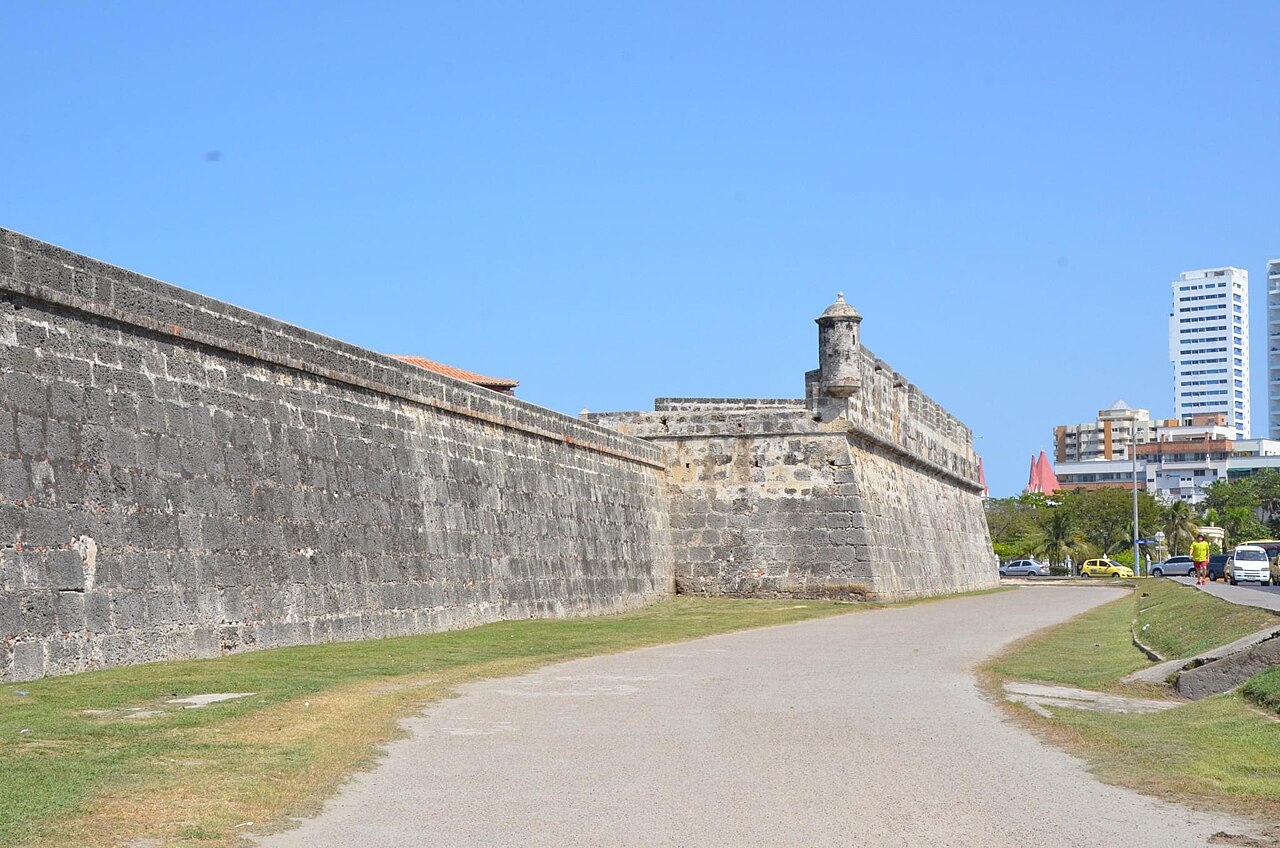
Balu arte y muralla de Cartagena
Joe Ross · 2016 · CC BY-SA 2.0

A strategic port

As a node of the Spanish Empire’s maritime routes, Cartagena held wealth and attracted attacks. Defence was not only military, but also urban and logistical.

From attacks to walls

Sieges and the corsair threat pushed the fortification of the enclosure and the bay. The walls, bastions and forts form a continuous response to that risk.

What remains today

  • Projecting bastions designed to flank an enemy.
  • Sentry boxes as watch points.
  • The layout that still separates and protects the old town.

Frequently asked questions

Frequently asked questions

Why was Cartagena fortified?

It was a strategic and heavily attacked Caribbean port; the corsair risk drove the defensive system that is now heritage.

What role did pirates play?

Their attacks and sieges pushed the continuous fortification of the enclosure and the bay.

Did the walls serve in battles?

Yes, they were part of the port’s defence against enemy naval forces at different times.

Is San Felipe Castle part of this?

Yes, it is a decisive piece of the city’s land fortification system.

Where do I get this information?

From public sources linked at the end of the page (UNESCO and Fortificaciones Cartagena de Indias).

Sources

Sources and verification

This guide gathers information from public sources and is not an official website. Verify accesses and services on your visit day.